

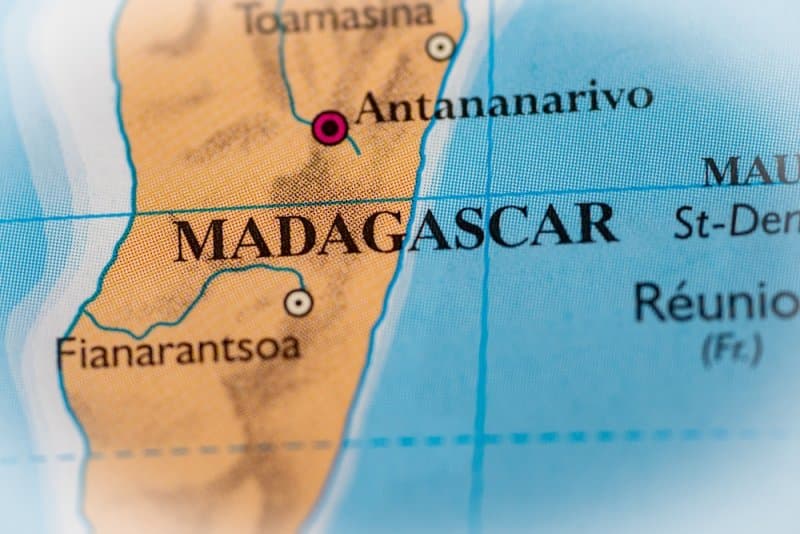
Madagascar feels totally different from most places. You’ll spot lemurs darting through the trees, baobabs rising like something out of a fairy tale, and coastlines where coral reefs sit next to quiet beaches and small fishing villages. Because Madagascar’s so huge, picking your destinations really shapes the trip. If you’re chasing wildlife, your journey won’t look anything like a beach-hopper’s or a hiker’s route.
Some spots need long drives; others involve domestic flights or even boat rides. The best places in Madagascar offer an interesting mix of wild landscapes, local culture, and nature. Skip the crowded sightseeing circuits and take it slow.
If wildlife tops your list of reasons to visit Madagascar, the eastern rainforests are where you want to be.
Andasibe-Mantadia National Park
For first-timers, Andasibe-Mantadia is a no-brainer. Picture a thick, green forest, echoing with the calls of the indri—the biggest lemur out there. A local guide will help you spot chameleons, frogs, and some quirky birds along the trails.
Andasibe-Mantadia sits close enough to Antananarivo that you won’t burn your whole trip just getting there, making it perfect if you’ve only got a short itinerary. Trust a guide, especially if you’re up for an early morning—that's when you’ll see the most action.
Ranomafana National Park
Head southeast and you’ll hit Ranomafana, a rainforest full of humidity, steep paths, and a wild mix of species. People come for the variety of lemurs (yes, the bamboo lemurs count), but frogs and birds steal the show, too.
This park isn’t something you squeeze into a quick pitstop. Trails get muddy and tough, so give yourself enough time to really wander.
Also Read: What are the 5 Best Places to Visit in Namibia in 2026?
Switch things up in western and southern Madagascar. Suddenly you’re looking at massive baobabs, crazy rock formations, and wide-open landscapes.
Avenue of the Baobabs
Near Morondava, the Avenue of the Baobabs draws photographers from all over. These towering trees line a dusty road, and at sunset, the scene feels almost unreal.
Get there early enough to soak up the view before the golden light disappears. It’s worth the journey, but be ready to plan—road conditions can be tricky.
Isalo National Park
And then there's Isalo National Park, which feels otherworldly with its sandstone cliffs, canyons, and natural pools. Hiking here means moving from desert-like cliffs down into surprisingly lush valleys.
The longer you wander, the more the scenery changes—totally worth the effort if you’d rather stay active than just relax on a beach. You’ll need a local guide, plus water, sunscreen, and sturdy shoes.
After all the rainforest treks and bumpy roads, the northern islands offer a change of pace.
Think clear blue water, snorkeling, and a more laid-back vibe. Nosy Be is a favorite for good reason: beaches, diving, boat trips, and a bunch of smaller islands nearby. Nosy Iranja stands out for its pale sand, while Nosy Komba tempts you with lemur encounters.
And if you want to see marine life, Nosy Tanikely Marine Park is the spot for snorkeling around coral reefs. These islands are perfect if you want a strong dose of nature, but don’t care to hike every single day.
Don't Miss: Best Things to Do in Tanzania: Safari and Adventures
A practical Madagascar travel guide should account for distances first. The island looks manageable on a map, but road journeys can take much longer than expected.
| Destination | Best for | Suggested time |
|---|---|---|
| Andasibe-Mantadia | Lemurs and rainforest | 2 days |
| Ranomafana | Wildlife and forest hikes | 2 days |
| Avenue of the Baobabs | Photography and sunsets | 1–2 days |
| Isalo National Park | Hiking and canyons | 2–3 days |
| Nosy Be | Beaches and boat trips | 3–5 days |
These are suggested visit lengths, excluding some long transfers. The best places to visit in Madagascar are easier to enjoy when you focus on one region rather than trying to cross the entire island in a week.
Choose Andasibe-Mantadia for accessible rainforest wildlife, Ranomafana for biodiversity, and Isalo for open landscapes and hiking. Each offers a different side of the island.
For a first visit, combine one rainforest destination with either the western baobabs or northern beaches. That gives you variety without turning the holiday into a series of exhausting transfers.
Read More: Best Time to Visit Africa Travel Seasons and Safari Guide
Honestly, the magic of Madagascar is all in the contrasts. Listen for indri calls echoing through the rainforest, watch that golden sunset light sweep across ancient baobabs, trek Isalo’s canyons, and then unwind at the beach. It’s smart to pick fewer places and give yourself plenty of time at each.
Think about what really matters to you—wildlife, hiking, beaches—then plan around the weather and remember that travel moves slowly here. Madagascar rewards travelers who take their time. With thoughtful planning and a little patience, you’ll get the island’s wildlife, landscapes, and culture at their best.
Road trips and outdoor sports are beloved in the dry season, which runs from April to October. Weather differs by location, so be sure to check local weather before booking a trip.
A 10-14-day period is enough for two or three regions, without rushing between transfers. A short journey percolates down and makes it more worthwhile in one place.
Yes, provided appropriate planning activities with roads, accommodation, and activity levels. Select guided walkabouts and beach accommodation appropriate for the children's ages.
For parks like Isalo, guided visits are needed; local guides can also guide visitors to find wildlife and to comment on conservation. Please check arrangements for each park in advance.
Bring light clothing, comfortable walking shoes, rain protection, sunscreen, and insect repellent. Add binoculars if you will be observing wildlife.
This content was created by AI