

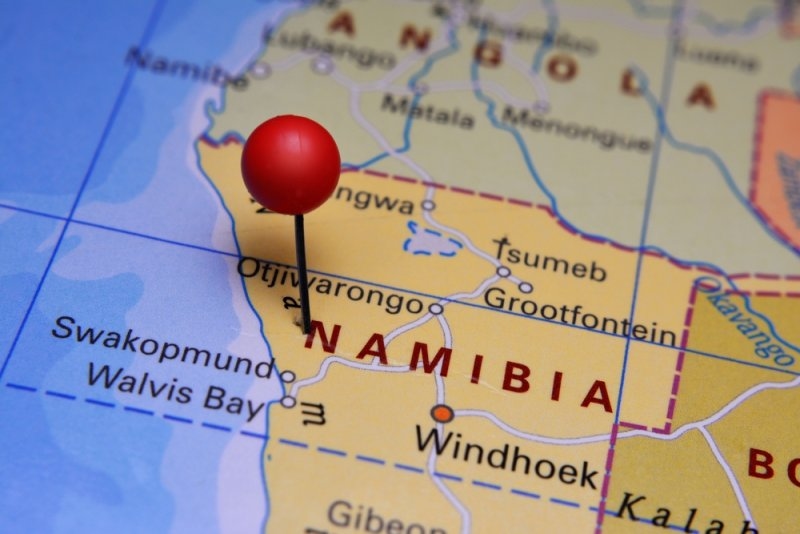
Imagine standing on top of a towering crimson dune as the golden sun dips below the horizon, illuminating an endless sea of sand. According to the Ministry of Environment and Tourism, Namibia welcomed over 1.3 million international travelers in 2025, with nearly half arriving specifically for holiday road trips and wildlife adventures. Finding the best places to visit in Namibia transforms a standard vacation into a soul-stirring journey across Africa's most dramatic landscapes.
Whether you are a budget overlander, a landscape photographer, or a luxury safari seeker, this guide will help you map out the ultimate trip. Read on as we explore breathtaking desert dunes, coastal hideaways, and wildlife havens.
Here are the top 5 places to visit in Namibia that will fill your soul:
Sossusvlei stands out as one of the most iconic Namibian desert attractions to visit. Located in the southern Namib Desert, this salt pan is encircled by towering red dunes. Adjacent to Sossusvlei lies Deadvlei, a white clay pan famous for its petrified, 900-year-old camelthorn trees set against bright orange dunes.
Etosha National Park ranks among the premier Namibian travel destinations for wildlife enthusiasts. Centered around a massive salt pan visible from space, the park hosts abundant game. Animals gather around floodlit waterholes, giving self-drive visitors front-row seats to spectacular natural interactions.
Nestled between the Atlantic Ocean and the Namib Desert, Swakopmund is one of the top places to visit in central Namibia. This coastal town features German colonial architecture alongside an energetic seaside vibe. Just a short drive south, Walvis Bay features coastal lagoons filled with flamingos and pelicans.
Located in the far south, Fish River Canyon is one of the top places to visit in southern Namibia. Measuring roughly 160 kilometers long and up to 550 meters deep, it is the second-largest canyon on earth. The dramatic drop-offs and ancient rock layers offer spectacular panoramic viewpoints.
Spitzkoppe, often dubbed the Matterhorn of Africa, consists of dramatic granite peaks rising abruptly from dusty plains. Located in Damaraland, it is one of the best places to visit in Namibia for a road trip. The surrounding terrain is home to desert-adapted elephants and ancient indigenous rock art.
Planning a road trip across southwestern Africa opens up a world of majestic landscapes, rich culture, and diverse wildlife. From the towering dunes of Sossusvlei to the vast salt pans of Etosha National Park, exploring these incredible destinations creates memories that last a lifetime. Every region offers something unique, whether you are seeking rugged canyon hikes, coastal quad biking, or quiet nights spent star-gazing in the wilderness.
To make the absolute most of your journey, having an expert travel partner makes all the difference. A well-crafted itinerary ensures seamless logistics, reliable ground transport, and access to the best lodges across the country. Partnering with local travel specialists guarantees an authentic, stress-free safari tailored to your exact budget and travel style. Start planning your dream desert getaway today and experience the magic of Southern Africa firsthand!
While main highways connecting major towns are paved, many secondary roads leading to top attractions consist of gravel or sand. Renting a high-clearance four-wheel-drive vehicle ensures better tire grip, smoother driving over rough corrugations, and access to remote desert spots like Sossusvlei.
Namibia is widely recognized as one of the safest and most straightforward countries in Africa for self-drive travel. Roads are well-marked, local communities are welcoming, and population density is low, though drivers should always carry extra water, spare tires, and emergency supplies when heading into remote regions.
A complete road trip covering major highlights usually requires between 10 and 14 days. This duration allows enough time to drive comfortably between Windhoek, Sossusvlei, Swakopmund, and Etosha National Park without feeling rushed on long desert roads.
Standard routine vaccines are recommended, while yellow fever vaccination certificates are required only if traveling from endemic countries. Malaria risk exists primarily in northern regions during wet seasons, so taking prophylactic medication and using mosquito repellent is advisable when visiting northern parks.
The local currency is the Namibian dollar, which is pegged one-to-one with the South African rand. Major hotels, restaurants, and tour operators accept international credit cards, though carrying cash is essential for fuel stations, small tipping, and rural craft markets.
This content was created by AI