

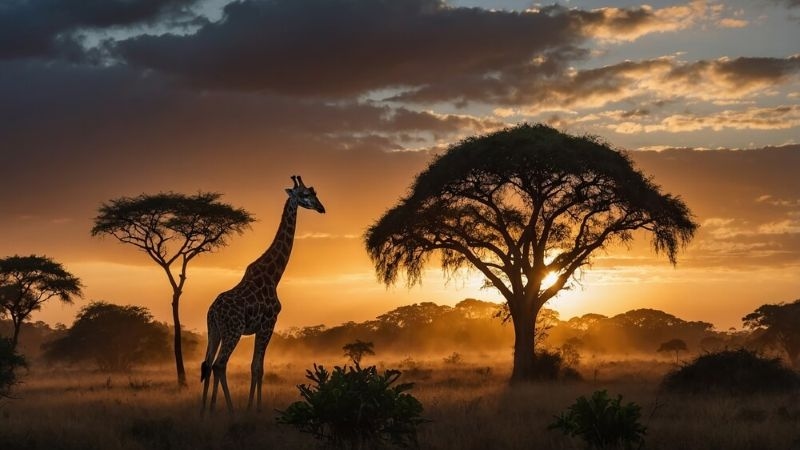
Tanzania has a way of making a traveler feel small in the best possible sense. One day there is a lion stretched under an acacia tree. A few days later, there is warm sand under the feet in Zanzibar. Then, somewhere in the distance, Mount Kilimanjaro sits above the clouds as if it has been waiting there forever.
That mix is what makes the best things to do in Tanzania so hard to narrow down. It is not just a safari country, although the safaris are world-class. It is not just a beach destination, although Zanzibar can easily steal a week from any itinerary. It is also mountains, crater views, spice farms, local markets, fishing villages, lakes, and quiet roads where the journey itself becomes part of the memory.
A good Tanzania travel guide should start with one honest point: travelers should not rush this country. Tanzania rewards slower planning. A person who tries to fit Serengeti, Kilimanjaro, Zanzibar, Ngorongoro, Tarangire, and cultural tours into too few days may see a lot but feel very little. The better idea is to choose a few highlights and enjoy them properly.
A Serengeti National Park safari is often the first thing people imagine when they think of Tanzania, and for good reason. The Serengeti is known for its wide plains, big cats, and the annual movement of wildebeest, zebras, and gazelles across the ecosystem. UNESCO describes the Serengeti migration as one of the world’s most impressive natural events.
The magic is not only in seeing animals. It is in the silence before sunrise, the dust behind a safari vehicle, and the sudden stillness when a guide spots something far away that everyone else missed. A leopard on a branch. A cheetah watching the grass. Elephants crossing slowly, as if they own the road. They probably do.
For many travelers, a Serengeti National Park safari becomes the emotional center of the trip. It is not cheap, and it does need planning, but few experiences feel quite as raw and alive.
Ngorongoro Crater deserves a place in almost every northern Tanzania itinerary. It feels different from the Serengeti. The land drops into a huge natural bowl, and the wildlife gathers across grassland, wetlands, and forest patches.
This is one of those places where even a short visit can feel full. Travelers may see buffalo, hippos, lions, flamingos, elephants, and, with luck, rhinos. The views from the crater rim are dramatic too, especially in the early morning when mist hangs low over the floor.
| Experience | Why It Stands Out |
|---|---|
| Game Drive | Wildlife is concentrated in a smaller area |
| Crater Rim View | One of Tanzania’s most memorable landscapes |
| Birdlife | Wetlands attract flamingos and other birds |
| Photography | Open views make it easier to capture wide shots |
A safari here pairs well with the Serengeti because both places offer different moods. Serengeti feels endless. Ngorongoro feels intense and enclosed, almost like nature gathered its best pieces into one place.
On a Similar Note: Stay Healthy While Traveling in Africa: Essential Guide
After dusty safari roads, a Zanzibar beach vacation feels like a reward. The island has turquoise water, soft beaches, coral reefs, spice farms, and Stone Town’s narrow streets. It is the kind of place where travelers plan two nights and then wish they had booked five.
Nungwi and Kendwa are popular for swimming and sunsets. Paje and Jambiani feel breezier and are loved by kite surfers and slower travelers. Stone Town adds culture, food, carved doors, rooftop views, and a slightly worn beauty that feels real rather than polished.
A Zanzibar beach vacation is not just about lying on a beach, although nobody should feel guilty for doing exactly that. It also adds history, culture, and a softer finish to an adventure-heavy trip.
For travelers who want a serious challenge, Mount Kilimanjaro hiking is one of Africa’s great adventure experiences. Kilimanjaro is widely known as Africa’s highest mountain, and official Tanzanian tourism sources list its height at about 5,896 meters.
Climbing it is not a casual walk. The routes pass through changing landscapes, from rainforest to moorland to alpine desert and finally the cold summit zone. The altitude is the real test. Many fit travelers find it harder than expected, so choosing a good operator and allowing enough days for acclimatization matters.
| Route | General Feel |
|---|---|
| Marangu | More established, hut-based route |
| Machame | Scenic and popular, but demanding |
| Lemosho | Longer, quieter, good for acclimatization |
| Rongai | Approaches from the northern side |
Mount Kilimanjaro hiking is not only about reaching the summit. The climb teaches patience. Slow steps, early nights, warm layers, and the phrase “pole pole,” meaning slowly, become part of the rhythm.
Not every safari needs to be about the Serengeti. Tarangire National Park is famous for elephants and baobab trees. In the dry season, animals gather around the Tarangire River, making game drives rewarding and often less crowded than the most famous parks.
Lake Manyara is smaller but beautiful, with forest, lake views, birds, and occasional tree-climbing lions. It works well as a short stop between Arusha and the crater highlands.
A complete list of things to do in Tanzania should include more than wildlife and beaches. The country’s cultural side gives the trip more texture. Travelers can visit local markets, take a coffee tour near Moshi or Arusha, learn about Chagga culture, meet artisans, or spend time in villages with responsible community-led experiences.
Food is part of the journey too. A traveler may try ugali, grilled fish, pilau, mishkaki, chapati, or Zanzibar’s famous street food. These small moments often stay in memory longer than expected. A quick market stop. A cup of spiced tea. A guide laughing while explaining a local phrase. That is travel too.
A practical Tanzania travel guide should match the trip to the traveler’s energy, budget, and time. Tanzania can be luxurious, rugged, romantic, family-friendly, or deeply adventurous. The trick is not copying someone else’s route blindly.
| Trip Length | Best Plan |
|---|---|
| 5 To 6 Days | Arusha, Tarangire, Ngorongoro, short Serengeti |
| 8 To 10 Days | Northern safari circuit plus Zanzibar |
| 12 To 14 Days | Serengeti, Ngorongoro, Tarangire, Zanzibar, culture |
| 15 Plus Days | Add Kilimanjaro, southern parks, or slower island time |
The official tourism board highlights hiking, wildlife safaris, and cultural experiences among Tanzania’s major travel draws, which fits the country’s broad appeal.
Travelers should also check current entry rules, park fees, health guidance, and safety advisories before booking. Those details can change, and they can affect the trip in practical ways.
Read More: Best Time to Visit Africa Travel Seasons and Safari Guide
Tanzania is not a place that fits neatly into one travel box. It is safari dust, island breeze, mountain air, crater mornings, spice markets, and long drives where the view keeps changing. The best trip does not need to include everything. It needs the right mix.
For wildlife lovers, the Serengeti and Ngorongoro are hard to beat. For beach lovers, Zanzibar brings the slow, blue ending many travelers dream about. For adventure seekers, Kilimanjaro waits with a challenge that is both physical and emotional.
The best approach is simple. Plan carefully, leave room to breathe, and choose experiences that match the traveler, not just the brochure. Tanzania will handle the rest.
The dry season from June to October is frequently preferable since animal viewing is better and the roads are usually more tolerable. January to March may also be favorable, particularly for calving season in certain areas of the Serengeti. Beach lovers may enjoy Zanzibar at different times of year but heavy rain spells may impact plans so weather checks are recommended before booking.
Tanzania can work for all three but the schedule needs be arranged differently. Couples adore safari lodges and Zanzibar resorts. Families may choose shorter travels, private cars and kid friendly campgrounds. Solo travelers may join group climbs, small safari groups or guided cultural trips. The land is forgiving yet comfort is a function of good speed.
A traveler can see key highlights in 8 to 10 days if the route is focused. That may include a northern safari and a short Zanzibar stay. For Kilimanjaro, safari, and beaches together, 14 to 18 days is more realistic. Tanzania has long distances, so adding extra days usually improves the experience rather than making it feel slow.
This content was created by AI