


Africa doesn’t whisper its history. It speaks, sings, and sometimes stops you mid-step. For first-time travelers from the United States, the continent’s historical cities offer more than famous landmarks. They offer context, emotion, and moments that stick. This guide walks you through ancient streets, sacred spaces, and living traditions that shaped civilizations long before modern borders existed. From desert trade hubs to coastal port towns, these cities tell stories that still matter. If you’re curious, open-minded, and ready to travel with intention, you’re in the right place.
If Africa feels big and mysterious from across the Atlantic, you’re not wrong. It’s vast, layered, and emotionally rich. This Historical cities in Africa travel guide is written for first-time American travelers who want more than photos.
It’s about walking through ancient streets, hearing the call to prayer echo off stone walls, and realizing history here isn’t behind glass. It’s alive.
Here’s the thing. In many African cities, history isn’t preserved. It’s practiced. Markets operate where caravans once passed. Families live inside centuries-old architecture. You’re not visiting a museum. You’re stepping into a living timeline.
That’s why African heritage cities' guide experiences feel personal. Locals don’t just tell you history. They connect it to daily life, politics, faith, and family.
For Americans, Africa's ancient cities can feel familiar and foreign at the same time. You’ll recognize Roman ruins and Islamic architecture, then suddenly encounter traditions older than Europe itself. Expect slower pacing, warmer interactions, and history explained through storytelling rather than plaques.
And yes, things may feel less structured. That’s part of the charm.
North Africa is often the easiest entry point for US travelers. Flights are direct, infrastructure is solid, and history spans thousands of years. This region blends African, Arab, and Mediterranean worlds seamlessly.
Cairo isn’t subtle. It hums, honks, and overwhelms. But beneath the chaos lies one of the richest historical tapestries on Earth. Beyond the pyramids, Islamic Cairo reveals mosques, madrasas, and alleyways that date back a millennium.
You’ll walk streets where scholars debated philosophy while Europe was still figuring itself out. Honestly, it changes perspective fast.
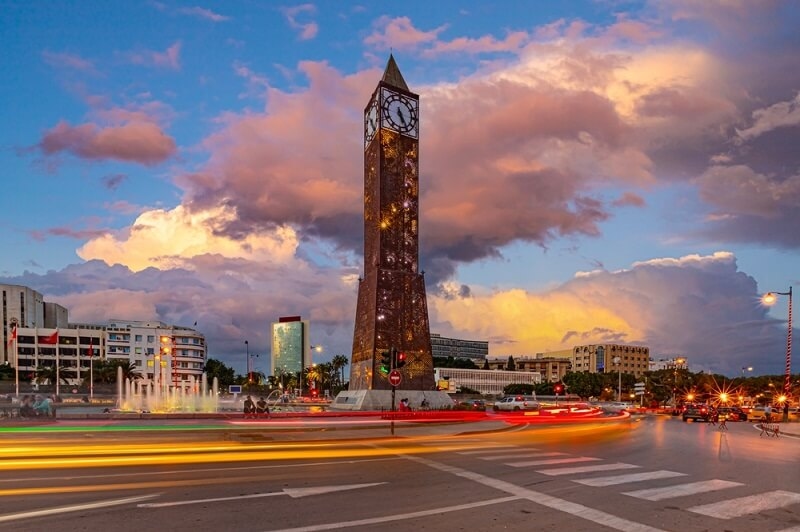
Tunis often surprises Americans. It’s compact, approachable, and deeply historic. The Medina feels like a time capsule, while nearby Carthage reminds you that Africa once rivaled Rome head-on.
This is one of those African cultural destinations that USA travelers love because it’s layered but manageable. History without exhaustion.
West Africa hits differently. History here is emotional, sometimes heavy, and often profound. It’s about kingdoms, trade, and painful chapters that still echo today.
Timbuktu isn’t a myth. It’s a symbol. Once a center of learning, trade, and scholarship, it housed libraries when much of the world lacked literacy.
For Americans interested in Africa's ancient cities, for Americans seeking depth, Timbuktu represents an intellectual heritage that rarely gets credit.
Ouidah tells hard truths. This coastal town played a major role in the transatlantic slave trade. The Route of Slaves isn’t comfortable, but it’s necessary.
Many African heritage cities' guide itineraries include Ouidah because it connects African and American histories directly. You’ll feel it. That’s the point.
Read More: Unveil East Africa’s Best Safari Adventures for First-Timers
East Africa’s historical cities grew from trade. Spices, gold, faith, and ideas flowed through these ports and highlands, leaving behind architecture and culture that still feel global.
Stone Town feels like a poem written in coral stone. Swahili, Arab, Persian, and European influences blend into carved doors and narrow streets.
For US travelers, this city feels cinematic yet intimate. One minute you’re sipping coffee on a balcony, the next you’re tracing trade routes that shaped continents.
Lalibela doesn’t try to impress. It just exists, quietly extraordinary. Churches carved directly into rock, still used daily, still sacred.
This is one of the best historical travel spots in Africa for travelers who want spiritual depth alongside architectural wonder. No crowds shouting. Just reverence.
Don't Miss: Family-Friendly Botswana Okavango Delta Safari Tour
Southern Africa often gets marketed for safaris, but its historical cities deserve equal attention. They tell stories of power, resistance, and resilience.
Great Zimbabwe confounds expectations. Massive stone structures built without mortar, evidence of a sophisticated civilization that thrived long before colonial contact.
Many Americans don’t expect this level of ancient engineering in Africa. That surprise? It stays with you.
Robben Island isn’t ancient, but it’s historic in a way that feels personal. Standing in Nelson Mandela’s cell hits differently than reading about it.
For historical tours in Africa for US travelers, this site connects past injustice to modern freedom struggles in a way Americans instinctively understand.
Once the inspiration hits, planning matters. Africa rewards preparation, but not rigidity.
Weather matters more than seasons. Dry months often mean easier travel. Vaccinations, travel insurance, and flexible schedules help more than strict itineraries.
You know what? Leave space for conversations. Some of the best lessons come unplanned.
Local guides make history breathe. They add context, humor, and nuance that no book can. Respect customs, dress modestly in sacred spaces, and listen more than you speak.
These small choices turn a trip into a relationship.
Costs can feel uneven at first. One day is affordable, the next feels surprising. Plan a buffer for entrance fees, tips, and local transport. It eases stress and lets you say yes when something interesting pops up.
Carry small bills and cash. It saves time and awkward moments.
Curiosity is your superpower, but awareness keeps things smooth. Ask before photos, trust local advice, and follow your instincts. When respect leads, experiences tend to open up naturally.
If something feels off, pause and reassess. There’s no rush here.
Also Read: Unveil Morocco’s Best Hidden Places Beyond Marrakech
Traveling through Africa’s historical cities isn’t about checking boxes. It’s about recalibrating how you see history, culture, and even America’s place in the world. This Historical cities in Africa travel guide is just a starting point. Once you go, the continent does the rest. It challenges assumptions, rewards curiosity, and lingers long after the flight home.
Yes, many historical cities are safe with basic precautions. Guided tours and local advice make travel smoother and more comfortable.
Two to three weeks works well. It allows depth without rushing, especially when visiting multiple regions.
It’s highly recommended. Guides add cultural context, personal stories, and help navigate language or customs.
North or East Africa often works best for beginners due to infrastructure, accessibility, and diverse historical sites.
This content was created by AI